
Montessori's most counterintuitive claim about literacy is that writing comes first. Not handwriting, but composition: a child who knows letter sounds can build the word bat from loose letters long before they can read it back fluently or write it with a pencil. The Moveable Alphabet is the material that makes this possible, and the Pink Series is the sequence of words it begins with.
What the Pink Series is
Pink Series words are short phonetic words with three sounds: consonant, vowel, consonant. Bat, can, cap, hat, pig, dog. Every letter says its common sound, so a child who knows sounds can decode every word in the set with no exceptions to memorize. Success is structural, not lucky. The digital Pink Series organizes work by vowel, with 12 words for each of a, e, i, o, and u.
How the digital Moveable Alphabet works
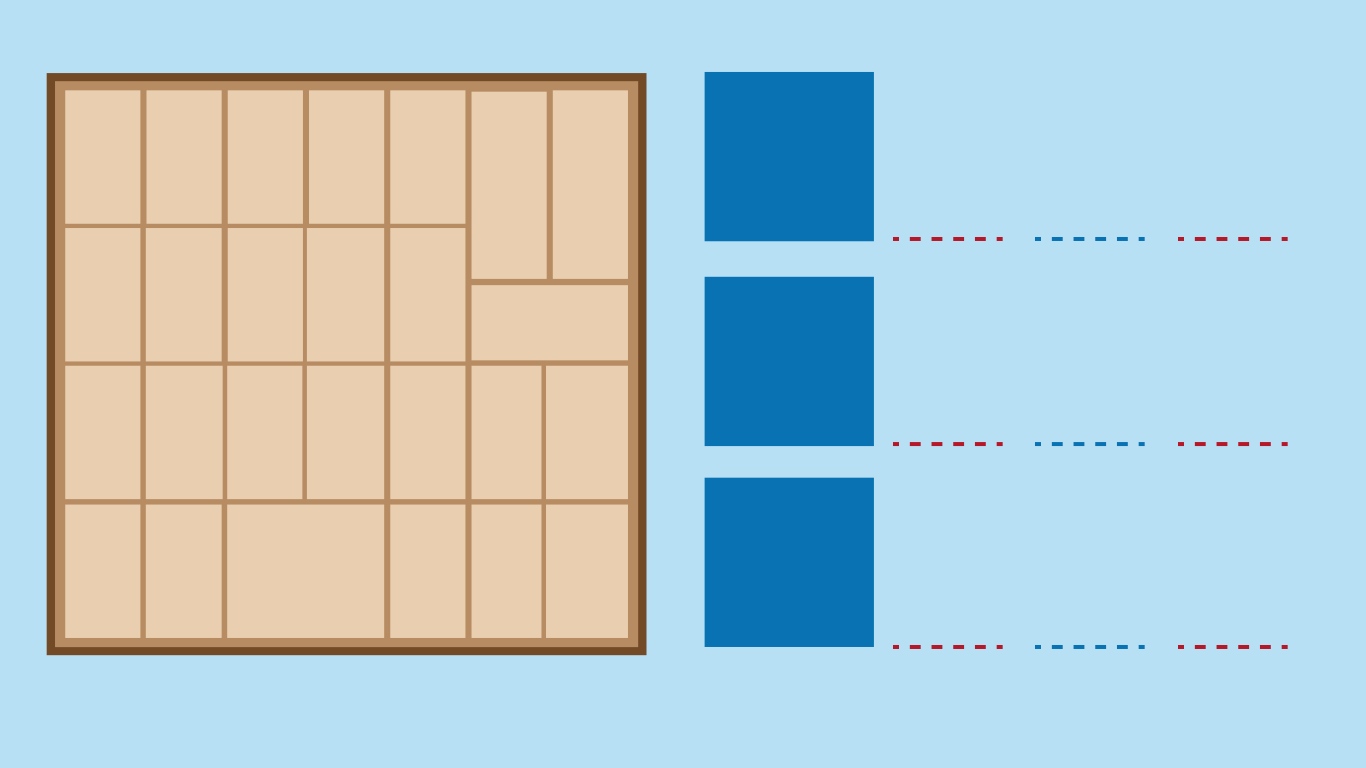
The screen shows the classic wooden letter box, vowels in blue and consonants in red, beside a column of photographs. In the vowel e set below they are a bed, a hen, and a jet. Under each photograph sit three dashed lines, color coded for consonant, vowel, consonant. The child sounds out the word and drags letters from the box to the lines. The picture is the control of error: the child can hear whether b, e, d matches the thing in the photograph.



Picture 1
bed
•••
Complete the word
Picture 2
hen
•••
Complete the word
Picture 3
jet
•••
Complete the word
The three-period lesson opens each letter
Each vowel's work begins with a three-period lesson on the letter and its sound, using the same naming sequence as every other Montessori material: this is a; can you find a; what is this? Only after the sound is secure does word building begin. If your child already knows their sounds, the lesson can be skipped with one tap, which respects the first rule of presentations: never teach a child something they already know.
From building to reading
After the Moveable Alphabet, the Pink Series continues through the same word families with different materials: word labels matched to pictures, picture to control card work, word to control card work, and finally booklets the child reads alone. The sequence matters less than the direction: composition first, decoding second, fluency last. The full set of Pink Series activities, along with the Blue Series for consonant blends, lives in the Language Arts section, and sample card sets can also be printed, an optional feature for families who like paper on the shelf.
A note on pace
Letter sounds usually settle between ages 3 and 4, word building between 4 and 5, and confident Pink Series reading between 4 and a half and 6, with enormous variation that means nothing about later ability. The material waits. That is the advantage of a shelf over a curriculum calendar.


